Contact Us (02) 9388 1741
Energy Consumption & Sustainability

Pioneer a More Sustainable Future for Your AI Data Center

Cutting-edge data center solutions tackle the surging power demands of advanced computing while reducing the environmental impact and carbon emissions.


HPCGuard Products
Challenges
Energy Consumption & Sustainability
#Energy+Consumption+Sustainability
Our Price: Request a Quote
AI Data Center Energy Consumption Pain Points

AI Data Center Energy Consumption Pain Points

Sustainability has emerged as a corporate top priority. Data centers and IT system infrastructures are key areas of focus for sustainability efforts given the massive amounts of resources required to power and cool these energy-hungry processing environments.

Increased Energy Costs

AI training requires massive computational resources that significantly increases power consumption and energy operational expenses.

Environmental Concerns

Surges in a data center's growing energy consumption expands an AI infrastructure's carbon footprint, raising environmental sustainability concerns.

Capacity Constraints

The high power demands needed for AI training and inference can strain data center infrastructure, limiting capacity and creating potential bottlenecks.

Cooling Challenges

AI workloads generate substantial heat that require efficient, next-gen liquid or immersion cooling systems to maintain optimal operating temperatures.


Energy Consumption & Data Center Sustainability for AI, HPC and ML

Energy Consumption & Data Center Sustainability for AI, HPC and ML

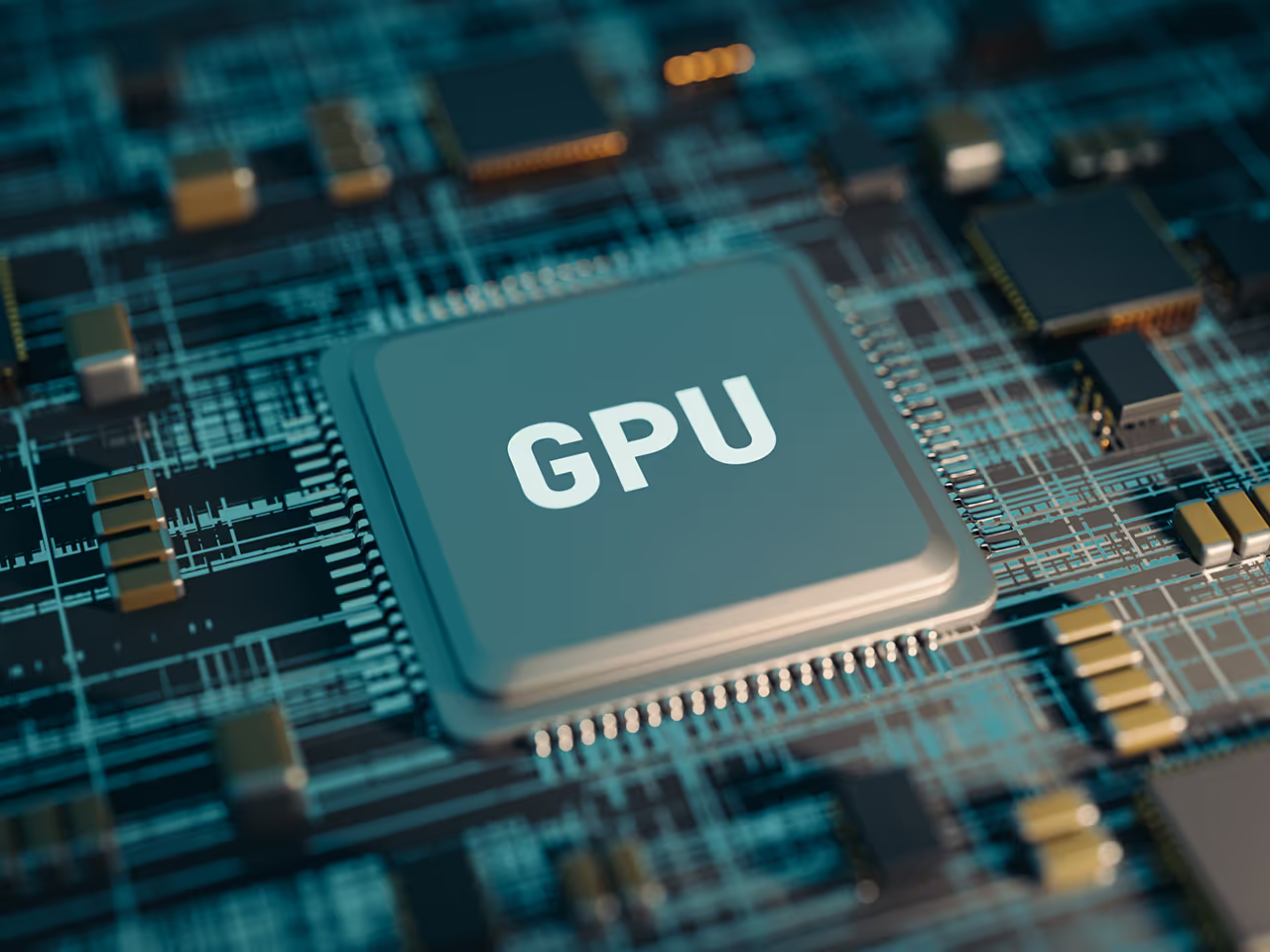
As organizations invest for faster and more powerful compute environments, the newer graphics processing unit (GPU) processors and solid-state storage both require significantly more power to operate compared to the demands of their technological predecessors.

In fact, the power requirements of very large data centers can rival those of a small city. This new reality is driving organizations of all sizes to seek out solutions to offset this rising energy consumption.

Data Center Energy Effectiveness

Focused interest in greater energy efficiency is prompting organizations to pay attention to a power-related metric called power usage effectiveness (PUE) that has long been associated with high-performance computing (HPC) workloads run by some of the largest users of compute resources—such as the US Department of Energy.

PUE measures data center energy effectiveness by tracking the amount of raw power that enters the data center and then dividing that number by the amount of power needed to run the IT equipment within it. A perfectly efficient data center would have a PUE of 1.0—indicating 100% of the power entering the data center is used to power the IT equipment, with no power wasted.

In reality, PUE calculations are a bit more complicated because they need to account for the energy used for cooling and power conversion. They also need to factor measurements using year-round averages that include the hot summer months when cooling requirements drive up energy consumption and the power requirements for system and data center operations.

Continuous monitoring of PUE helps data center managers identify efficiency changes over time, such as during peak loads or seasonal shifts, so that they can set proper usage effectiveness goals, compare data center sites, and make more informed energy decisions and investments.

For comparison, according to the Uptime Institute, the average data center PUE is 1.58. If your facility exceeds this metric score, it's time to consider how best to reduce it.

Designing Environmentally-Friendly, Sustainable Data Centers

When data centers are tasked with handling larger and increasingly more complex workloads, for everything from weather forecasting to cancer research, adopting HPC, artificial intelligence (AI), and machine learning (ML) technologies creates tension between the innovation they enable and their environmental impact. Data Centers can strain local water supplies and power grids while increasing greenhouse gas emissions. For example, in Northern Virginia, a major data center hub, water consumption by these facilities surged by 63% between 2019 and 2023.

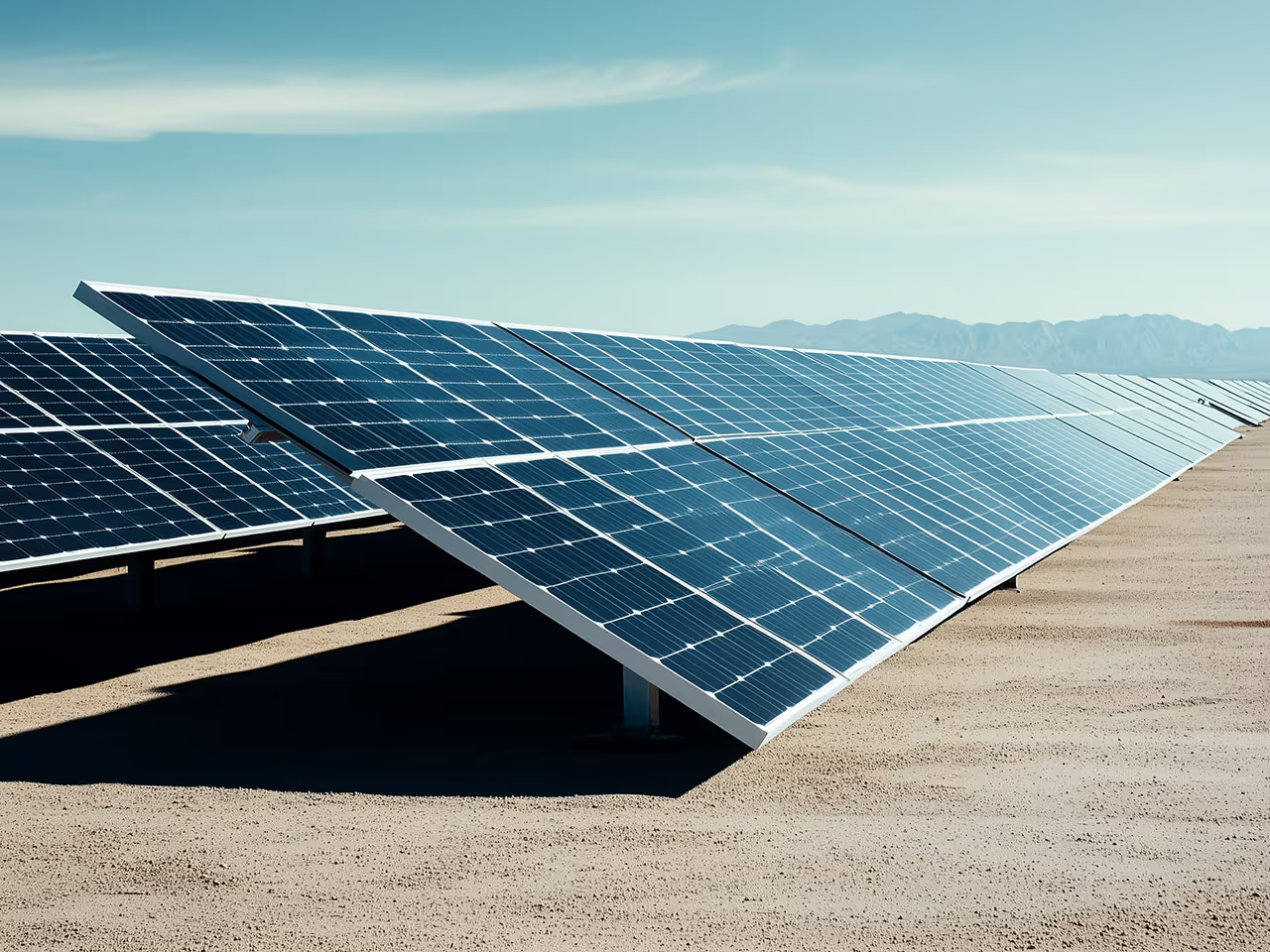
Prioritizing sustainability in your data center design and operations while implementing sustainable practices such as waterless cooling and energy-efficient servers will minimize the environmental strain from your data center infrastructure. These efforts will not only help to improve sustainability, reduce operating costs, and minimize your environmental footprint, but will also contribute to a more sustainable digital future.

Reach out today to learn how we design AI infrastructure for energy efficiency by integrating cooling technologies that enable you to maximize data center performance while still achieving your sustainability goals.


Frequently Asked Questions

Sustainable Data Center FAQs

What is a sustainable data center, and why does it matter?

A sustainable data center uses energy-efficient infrastructure, renewable power, and intelligent cooling systems to minimize environmental impact while maintaining performance.

What are the main contributors to high data center power consumption?

High power consumption typically stems from compute-intensive operations, inefficient cooling systems, and underutilized hardware.

How to optimize your data center for sustainability?

You can optimize your data center for sustainability by implementing cluster monitoring, upgrading to energy-efficient hardware, and adopting advanced cooling and power management solutions.

What role does cooling play in data center energy consumption?

Cooling can account for up to 40% of a data center's total energy use. Efficient cooling systems significantly reduce this energy demand.


Call a Specialist
Today!

Our team of experts is ready to help you find the perfect solution for your business needs. Get personalized advice and competitive quotes.

Monday - Friday: 9:00 AM - 6:00 PM AEST
Sydney, Australia

Speak to an Expert

We're here to help with any questions

Call us now
(02) 9388 1741