Solving Fault Tolerance at the Core
Core Computing Uptime Considerations
Predictive fault tolerant computing platforms enable organizations to run mission-critical applications in data center environments without downtime or data loss to successfully meet the demand of "always on" operations.
Both OT (Operational Technology) and IT (Informational Technology) teams face the challenge of delivering this reliability to both centralized and distributed locations across their operations. Platforms running critical applications must be easy to deploy, easy to manage, and easy to service—and not just in data centers, but at the edge of corporate networks.
There are several time-tested methods companies use to improve availability in their data centers, ranging from improving system reliability and resilience, implementing backup and recovery procedures, or deploying redundant clusters (physical or virtual) with failover services.
Fault-tolerant systems deliver the required availability, because they can "tolerate" or withstand both hardware and software "faults" or failures.
Fault Tolerance Success Takes Expertise
Enterprise Data Center Fault Tolerance Expertise
Fault-tolerance describes a superior level of availability characterized by five nines uptime (99.999%) or better. Fault-tolerant systems typically do this by either proactively monitoring and preventing critical systems from failing in the first place, or by completely mitigating the risk of a catastrophic component or system failure. Fault-tolerance can be achieved successfully using both software-based and hardware-based approaches.
Intelligent, Predictive Fault Tolerance
Proactively monitor potential failure points and automatically take corrective actions before they impact operations, preventing downtime and data loss.
Proactive Health Monitoring
Continuously monitor system health, allowing for early detection of potential issues, enabling timely maintenance, and reducing the risk of unexpected failures.
Enhanced Data Connectivity
Provide reliable connectivity to critical production data stored in storage area networks (SANs). This feature ensures that data remains accessible and protected, further enhancing fault tolerance.
Redundant Hardware Design
If one component fails, another can seamlessly take over, maintaining uninterrupted operations.
Continuous Availability
Run Critical Applications Without Downtime or Data Loss
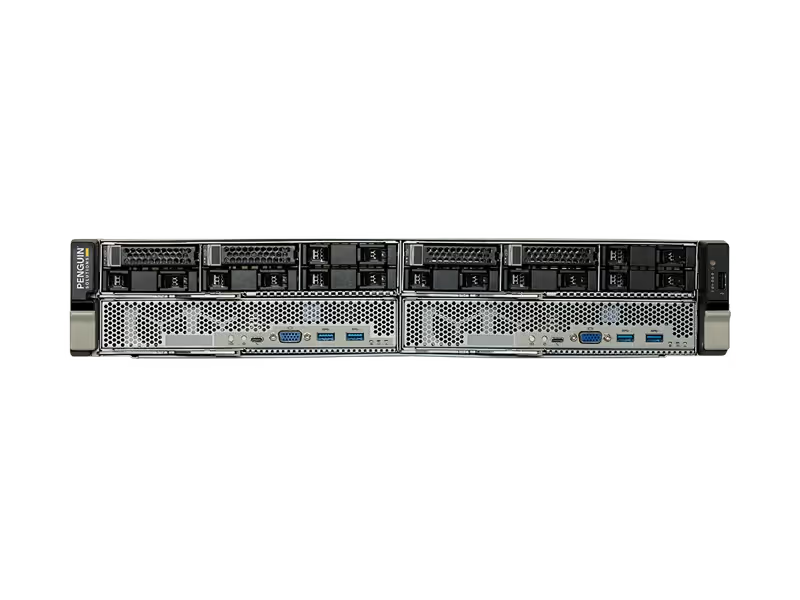
Stratus ztC Endurance® provides continuous availability and ensures data integrity for mission-critical applications running at the edge, operations center, and data center. Delivering seven nines (99.99999%) uptime, its Automated Uptime Layer with Smart Exchange provides continual proactive health monitoring and automatically takes action to maintain system availability and protect against data loss when needed.
Coupled with the platform's modular design of hot-swappable customer replacement units (CRUs), Stratus ztC Endurance makes it easy for OT and IT teams to manage and support. Stratus ztC Endurance delivers the processing power and performance to host dozens of software applications as virtual machines (VMs), dramatically reducing the number of PCs or servers required for OT and IT teams to manage and maintain.
Discover Stratus ztC Endurance